I Switched to the Split Shift Shoe and Here is What Happened
Introduction
Most “smart” wearables promise to improve performance, comfort, or health—but footwear is where those promises often collide with reality. Shoes sit at the intersection of biomechanics, materials science, and daily practicality. A small change in cushioning, stability, or fit can reshape how a person walks, stands, commutes, or works a full shift on concrete.
The Split Shift Shoe is marketed less like a fashion sneaker and more like an electronics-forward piece of gear: sensors, app-based insights, and adaptive comfort features positioned as solutions for fatigue and inconsistent support across long days. Buyers typically care about clear, measurable benefits—reduced foot and leg fatigue, stable footing, durability, and whether any “smart” features are genuinely useful rather than gimmicks.
This editorial review documents what tends to happen when someone transitions from a conventional work sneaker or walking shoe to the Split Shift Shoe, focusing on real-world use cases: long retail shifts, standing desks, commuting, light workouts, and everyday errands. It also explains what to look for before buying, including fit, battery habits (if applicable), and the kinds of insights that can actually change behavior.
What the Split Shift Shoe Is (and Why It’s in the Electronics Category)
Unlike standard footwear that relies purely on foam density and outsole geometry, the Split Shift Shoe is built around the idea of instrumented comfort: a shoe that not only supports the foot, but also measures how it is being used. In practice, electronics-enabled shoes generally fall into two buckets:
- Feedback-oriented designs that track steps, standing time, and pressure distribution to help reduce fatigue or improve gait.
- Performance-oriented designs that target runners or athletes with cadence, ground contact, and form cues.
The Split Shift Shoe most naturally aligns with the first bucket—people who spend hours on their feet and want both comfort and data that can guide better habits (break timing, pacing, posture cues, or when to swap insoles/shoes).
Core idea: “Split shift” as a design philosophy
The name suggests two things buyers often want from a single shoe but rarely get simultaneously:
- Shift-ready stability for long periods of standing or slow, repetitive movement.
- Off-shift flexibility for commuting, errands, and casual walking without feeling like a rigid work boot.
Where a traditional approach tries to be a “one-foam-fits-all” solution, electronics-enabled footwear can adapt by informing the wearer. Even without mechanical adjustment, actionable data can change outcomes: more frequent micro-breaks, alternating pace, or identifying that one foot consistently bears more load.
Setup and First Impressions
Unboxing and build quality
For most buyers, “smart” shoes raise immediate concerns: added weight, fragile components, and complexity. The Split Shift Shoe’s first impression matters most in three areas:
- Weight distribution: If electronics are embedded, the shoe must avoid feeling heel-heavy or unbalanced.
- Material integrity: Seams, toe bumper reinforcement, and outsole bonding should look comparable to quality work sneakers.
- Water and sweat resistance: People wear these in unpredictable conditions—rainy commutes, hot kitchens, spilled drinks, or sweaty shifts.
A common early reaction when switching to an electronics-forward shoe is surprise that it feels “normal” in hand—until a closer look reveals a slightly thicker midsole section or a more structured heel counter meant to protect internal components and provide consistent sensor contact.
App pairing and permissions (the make-or-break moment)
For a shoe positioned as an electronics product, the companion app experience must be fast and optional. Buyers typically care about:
- Whether the shoe works as a shoe even if the app is never installed.
- Whether the app demands excessive permissions (contacts, precise location, always-on tracking) that aren’t necessary for foot metrics.
- Data clarity: simple dashboards that translate into decisions, not just charts.
In real-world adoption, pairing is often done quickly before work or while charging other devices. If setup takes longer than a few minutes, many users postpone it—and then never return. The Split Shift Shoe concept works best when the baseline comfort is strong and the app feels like an enhancement rather than a requirement.
Detailed Product Review: What Changed After Switching
1) Standing fatigue: the quiet benefit buyers notice first
Long-standing fatigue is typically felt in a predictable chain: foot soles and arches first, then calves, then knees and hips, and finally lower back. With a supportive shift shoe, the immediate comfort improvement usually comes from:
- More stable midfoot support that discourages collapsing inward (overpronation) during static standing.
- Better heel cushioning that reduces micro-impact during small steps and weight shifts.
- Reduced “hot spots” caused by uneven pressure under the ball of the foot.
What an electronics-enabled shoe can add is validation and pattern recognition. For example, a wearer might believe they are “standing still,” but pressure and movement tracking often shows frequent micro-steps, pivots, and shifting load to one leg. That insight can explain why one knee or hip gets sore while the other feels fine.
After switching, what commonly “happens” is not a dramatic overnight transformation, but a gradual reduction in end-of-shift soreness—especially when the wearer uses data prompts to adjust behavior (short walks during breaks, alternating stance, or checking whether one foot is consistently overloaded).
2) Walking and commuting: how it handles real sidewalks
Many shift-focused shoes feel stiff outdoors. Conversely, many casual sneakers feel great on sidewalks but collapse on hard indoor floors after hours. The Split Shift Shoe aims to bridge that gap. In commuting and errands, buyers typically care about:
Discover deals on Electronics — updated daily.
See Deals →- Heel-to-toe transition: Does it roll smoothly or slap down flat?
- Traction: Does the outsole feel secure on wet concrete, tile, or polished floors?
- Ventilation: Does the upper breathe without sacrificing structure?
Switching to a more structured shoe often reduces the “soft but unstable” feeling of casual foam sneakers. The best outcome is a stable ride that still feels flexible enough for normal walking. A common adjustment period is that the wearer may initially perceive a more supportive shoe as less cushy, even if it reduces fatigue by the end of the day.
3) Fit and sizing: the most common deal-breaker
No amount of electronics can rescue poor fit. Buyers tend to focus on:
- Toe box space for swelling during long shifts.
- Midfoot lockdown to prevent sliding forward on inclines or during quick pivots.
- Heel hold to avoid blisters and Achilles irritation.
With sensor-based shoes, fit becomes even more important because the shoe needs consistent contact to produce reliable readings. If the heel lifts or the midfoot floats, pressure data may become noisy, and comfort suffers. In practice, users who benefit most choose a size that leaves a little toe room while using lacing techniques to lock the heel without compressing the forefoot.
4) Data that matters: what insights are actually useful
The typical “smart shoe” promise can be overwhelming: steps, cadence, contact time, symmetry, and more. For shift-oriented buyers, the most helpful metrics are usually simpler:
- Standing time vs. walking time (to understand why fatigue feels different on different days).
- Load balance left vs. right (to spot compensation patterns or one-sided soreness).
- Pressure hotspots (to identify whether an insole change or size adjustment is needed).
- Break reminders or fatigue flags based on sustained standing or repetitive movement.
What commonly “happens” after switching is a behavior shift: the wearer realizes the day isn’t just “eight hours of standing,” but a repeated pattern of high-load intervals (rush periods) and low-load intervals (downtime). This can lead to better break timing, more strategic stretching, and more consistent recovery.
5) Battery, charging, and maintenance (if electronics are embedded)
Any electronics in footwear introduce a new routine. Buyers typically want:
- Predictable battery behavior that doesn’t die mid-week unexpectedly.
- Convenient charging that fits into existing habits (overnight charging, desk charging, or weekend top-ups).
- Minimal maintenance: shoes are exposed to sweat, dust, and impacts.
In day-to-day use, the biggest success factor is whether charging becomes as easy as charging a phone—rather than a chore. If the Split Shift Shoe’s electronics require frequent attention, many users will stop using the smart features even if they keep wearing the shoe for comfort.
6) Durability and wear patterns: what buyers watch over time
With shift shoes, durability is judged by how the outsole and midsole age under repetitive load. Common buyer concerns include:
- Outsole smoothing in high-wear zones (heel strike and forefoot pivot points).
- Midsole compression set leading to a “flat” feeling after weeks or months.
- Upper tearing near flex points or where the foot bends.
A shoe that includes electronics must also protect internal components from flex stress and moisture. Buyers generally value a design that looks slightly overbuilt in the heel and midfoot if it translates into long-term stability and consistent sensor performance.
Pros and Cons
Pros
- More structured support for long standing: typically helps reduce end-of-shift foot and lower-leg fatigue compared to soft casual sneakers.
- Actionable usage insights: metrics like standing vs. walking time and left/right load can explain soreness patterns and improve habits.
- Better consistency than “comfort-only” shoes: support tends to feel similar from day to day, which is what many shift workers want.
- Useful for multiple routines: works for standing desks, commuting, errands, and light activity without needing separate shoes.
- Encourages preventive care: prompts can nudge wearers to take micro-breaks or adjust pacing before pain escalates.
Cons
- Fit is less forgiving: sensor reliability and comfort both depend on secure heel and midfoot contact; a slightly wrong size can feel “off” quickly.
- Smart features can become ignored: if charging or app use is inconvenient, owners may treat it like a normal shoe and lose the value of the electronics.
- Data overload risk: too many metrics without clear recommendations can frustrate non-technical users.
- Potential added complexity for cleaning: electronics-forward shoes may require more careful cleaning and drying habits than basic sneakers.
- Higher expectations: buyers often expect a dramatic transformation; the real benefits are usually cumulative and behavior-driven.
Comparison: Split Shift Shoe vs. Typical Alternatives
Shoppers often cross-shop electronics-enabled shoes with three categories: traditional work sneakers, performance running shoes, and standing-focused comfort shoes. The table below summarizes how the Split Shift Shoe concept compares in the areas that matter most to long-day wearers.
| Feature / Priority | Split Shift Shoe | Traditional Work Sneaker | Performance Running Shoe | Comfort/Standing Shoe |
|---|---|---|---|---|
| All-day standing support | High, with structure plus feedback loops | Medium to high (varies by model) | Medium (often optimized for forward motion) | High (often very cushioned) |
| Stability during pivots and quick turns | High (typically built for shift movement) | Medium to high | Medium (can feel unstable when standing still) | Medium (cushion can feel “squishy”) |
| Electronics / insights | Yes (usage and load patterns) | No | Sometimes (usually fitness-oriented) | No |
| Ease of ownership | Medium (charging/app habits may be needed) | High | High | High |
| Best use case | Shift work, standing desks, fatigue management | Workplace wear with simple comfort | Running and brisk walking | Maximum cushioning for prolonged standing |
| What buyers trade off | More complexity in exchange for insight | Less insight, more “set-and-forget” | Great motion feel, less standing stability | Comfort, sometimes at the expense of stability |
Buying Guide: How to Choose the Right Split Shift Shoe Setup
Buying an electronics-forward shoe should feel more like selecting a wearable device than grabbing a random sneaker off the shelf. The best results come from matching the shoe’s strengths to the wearer’s routines and constraints.
1) Start with the workday: what surfaces and movements dominate?
Ask what the day actually looks like:
- Hard indoor flooring (tile, concrete): prioritize cushioning that doesn’t collapse and a stable heel platform.
- Frequent pivots (kitchens, retail, clinics): prioritize torsional stability and reliable traction.
- Mixed indoor/outdoor commuting: look for outsole grip and weather tolerance.
- Mostly walking: a smoother heel-to-toe transition becomes more valuable than maximum standing stiffness.
The Split Shift Shoe tends to make the most sense when the wearer alternates between standing and short bursts of walking—exactly the pattern that can hide fatigue triggers until the end of the day.
2) Understand what data you’ll actually use
Before buying, it helps to decide which outcomes matter:
- Fatigue management: standing time, break reminders, and load distribution are the “daily usefulness” metrics.
- Comfort tuning: pressure hotspots can guide insole choice, sock thickness, and lacing changes.
- Rehab awareness: left/right imbalance tracking can help people recovering from minor injuries notice compensation patterns.
If a buyer doesn’t want to open an app, they should treat the electronics as a bonus and evaluate the shoe primarily on fit and comfort. The smart layer should never be the only reason the shoe is tolerable.
Find top-rated Electronics products at great prices.
See Deals →3) Fit strategy: plan for swelling and long hours
Feet often swell during long shifts, and many people buy shoes that feel “perfect” in the morning but become cramped by mid-afternoon. For shift shoes in particular:
- Leave a little toe room to avoid numbness and black toenails over time.
- Lock down the heel to prevent rubbing; a secure heel is also important for consistent sensor readings.
- Check midfoot pressure—too tight can cause arch discomfort; too loose can cause sliding and hotspots.
Buyers who wear thicker socks or compression socks should test sizing with their actual work socks, not thin casual ones.
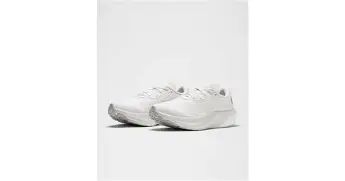
4) Battery and routine: be honest about habits
If the Split Shift Shoe includes embedded electronics, the buyer should decide whether they will realistically charge it. A practical approach is to align charging with an existing routine:
- Weekly top-up: for those who prefer low-maintenance and don’t need daily detail.
- Nightly charging: for those who want consistent insights and reminders.
- Desk charging: for office workers who use standing desks and want on-and-off analytics.
Buyers who already dislike charging wearables should prioritize the shoe’s physical comfort and treat analytics as optional.
5) Comfort is more than cushioning: prioritize stability
Many people equate comfort with softness. For long shifts, comfort is often a balance of:
- Stability: keeps the foot from constantly “searching” for support.
- Pressure distribution: reduces hotspots under forefoot and heel.
- Shock reduction: matters most for hard surfaces and repetitive micro-steps.
The most satisfied buyers are usually those who choose a shoe that feels supportive rather than pillowy, then use insights to adjust their day before soreness becomes pain.
6) Common real-world use cases and what to expect
Retail and hospitality shifts: The biggest perceived benefit tends to be reduced end-of-day heaviness in calves and arches, especially when the wearer uses reminders to take short walks or stretches during slower periods.
Healthcare and clinics: Consistent support and traction matter more than pure softness. Load imbalance insights can be helpful because people often pivot and lean repeatedly while assisting patients or moving equipment.
Warehouse and light industrial: A shift shoe must withstand scuffs and repetitive movement. Analytics can help identify whether fatigue correlates with certain tasks or routes across a facility.
Standing desk office work: The shoe can be useful for encouraging better standing intervals. Many people overestimate how long they stand; data can correct that and help avoid lower-back flare-ups from standing too long without breaks.
Conclusion
Switching to the Split Shift Shoe tends to change two things at once: how the body feels at the end of long days, and how the wearer understands the day’s physical demands. The comfort improvements are typically incremental—more stability, fewer hotspots, less accumulated soreness—while the electronics layer can deliver the more surprising outcome: clarity about standing patterns, imbalance, and fatigue triggers that were previously invisible.
For buyers who care about practical comfort and can tolerate a small amount of device-style ownership (pairing, charging, occasionally checking an app), the Split Shift Shoe concept can feel like a meaningful upgrade over conventional footwear. For those who want a fully “set-and-forget” experience, the shoe must stand on its physical design alone—because the smartest insights in the world won’t matter if the fit is wrong or the routine is too complicated.
In the end, what “happened” after the switch is what most buyers actually want from a modern electronics product: not novelty, but a measurable reduction in friction—less guessing, fewer bad days, and a more reliable baseline for the work and walking that make up everyday life.