Is the Sony A7 V better than the Sachtler Ace M Ms Mk Ii? We Tested Both
The landscape of professional imaging is often defined by a delicate balance between the glass and sensor capturing the light and the mechanical support systems that ensure every frame is steady, smooth, and precisely framed. In the current market, two names stand out as titans of their respective disciplines: Sony and Sachtler. With the release of the Sony A7 V, the industry has seen a massive leap forward in hybrid autofocus and resolution capabilities. Conversely, the Sachtler Ace M MS Mk II represents the gold standard in entry-level professional fluid head technology. However, comparing a high-end mirrorless camera body to a precision tripod system is not an exercise in redundant technical specs; it is a fundamental exploration of where a creator should prioritize their budget. In this deep-dive analysis, we explore whether the cutting-edge electronics of the A7 V offer more value to a production than the rock-solid mechanical reliability of the Sachtler Ace M MS Mk II.
The Evolution of the Hybrid Powerhouse: Sony A7 V Review
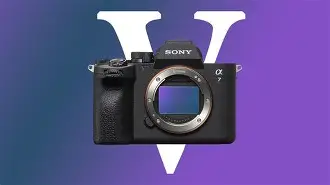
The Sony A7 V arrives as the successor to one of the most popular mirrorless cameras in history. While its predecessor focused on being a "jack of all trades," the Mark V pushes into territory previously reserved for the specialized "R" and "S" lines. The heart of this machine is a newly developed sensor that balances high-resolution stills with professional-grade video formats. For the modern cinematographer or hybrid shooter, the A7 V represents a convergence of AI-driven technology and ergonomic refinement.
Artificial Intelligence and Autofocus
The standout feature of the Sony A7 V is its dedicated AI processing unit. This hardware-level integration allows the camera to perform real-time recognition of subjects with uncanny accuracy. Unlike older systems that relied purely on contrast or phase detection, the A7 V understands human poses and skeletal structures. When a subject turns away from the lens or is momentarily obscured, the camera anticipates where the eye or head will reappear. For solo operators working in fast-paced environments like weddings or documentary sets, this translates to a significantly lower failure rate. The "better" aspect of the A7 V here is its ability to handle the heavy lifting of focus, allowing the operator to focus on composition and timing.
Video Capability and Color Science
Video performance on the A7 V has been elevated to meet the demands of 4K 60p and 10-bit 4:2:2 internal recording without the significant crop factors that plagued earlier generations. Sony’s S-Cinetone color profile, migrated from their high-end Venice and FX cinema lines, provides a beautiful, "prepared" look out of the box, with soft highlights and organic skin tones. This reduces the time spent in post-production grading, making it an efficient tool for commercial content creators. Furthermore, the inclusion of active-mode image stabilization helps dampen handheld jitters, though it cannot entirely replace the need for physical support.
The Foundation of Stability: Sachtler Ace M MS Mk II Review
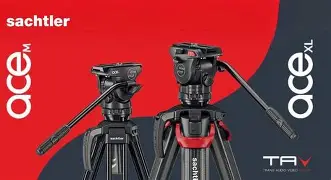
If the Sony A7 V is the brain of the operation, the Sachtler Ace M MS Mk II is the skeleton. Sachtler has long been the preferred choice for news gatherers and documentary filmmakers who require a tripod that performs identically in the freezing arctic or the humid rainforest. The "Mk II" designation of the Ace M series brings several refinements to an already legendary platform, most notably in the payload capacity and the smoothness of its patented fluid drag system.
The Fluid Head Advantage
The Sachtler Ace M MS Mk II features an authentic Sachtler fluid head. Unlike cheaper friction-based heads that can "stutter" at the beginning or end of a movement, the Ace M utilizes a true fluid dampening system. This allows for the "Sachtler snap"—the ability to start and stop a pan or tilt with zero backlash. For filmmakers, this is the difference between a shot that looks "amateur" and one that looks "cinematic." The Mk II version offers three steps of horizontal and vertical drag, plus a zero setting, allowing operators to tune the resistance to the weight of their specific camera rig.
Build Quality and Portability
Constructed primarily from glass-fiber reinforced composite materials, the Ace M MS Mk II is remarkably light for a professional-grade system. Weighing in at approximately 4.4 kilograms (including the legs and mid-level spreader), it is designed for the operator who needs to move quickly between locations. The aluminum legs provide a rigid base that resists twisting, a common flaw in budget tripods. The mid-level spreader (MS) ensures that the tripod remains stable on uneven terrain, such as rocky ground or stairs, which is a common real-world use case for outdoor videographers.
Direct Comparison: Electronic Innovation vs. Mechanical Precision
When asking which is "better," we must look at the impact on the final image. A Sony A7 V can capture 8K or 4K footage with incredible detail, but if that camera is vibrating on a flimsy stand or jumping during a pan, the resolution becomes irrelevant. Conversely, a Sachtler tripod will keep an older camera perfectly steady, but it won't help with autofocus or low-light noise. Buyers typically care about the longevity of their investment. A digital camera body like the A7 V has a shelf life of approximately three to five years before it is superseded by new sensor technology. A Sachtler tripod, if maintained properly, is a ten-to-fifteen-year investment.
Pros & Cons
Sony A7 V
- Pro: Industry-leading AI-based subject tracking for humans, animals, and vehicles.
- Pro: High-resolution sensor allows for significant cropping without losing 4K quality.
- Pro: Compact form factor makes it ideal for gimbal use and travel.
- Con: Subject to overheating in extreme climates during long-form 10-bit recording.
- Con: Rapid depreciation; hardware technology is replaced every few years.
Sachtler Ace M MS Mk II
- Pro: Genuine fluid head technology provides perfectly smooth pans and tilts.
- Pro: Highly durable construction that can withstand heavy professional use.
- Pro: Long-term value retention; professional tripods hold their price well on the used market.
- Con: Adding a tripod increases the bulk and weight of a gear kit.
- Con: Limited to a 4kg payload, which may be tight for fully rigged cinema cameras.
Technical Specification Comparison
To better understand how these two pieces of equipment interact in a production environment, we have mapped out their primary technical specifications in the table below. This helps highlight the "envelope" of performance each product offers.
Find top-rated Cameras & Photography products at great prices.
Browse Now →| Feature | Sony A7 V | Sachtler Ace M MS Mk II |
|---|---|---|
| Category | Full-Frame Hybrid Mirrorless Camera | Fluid Head Tripod System |
| Primary Function | Image and Video Capture | Camera Support and Stabilization |
| Weight | Approx. 720g (Body with Battery) | 4.4kg (Total System) |
| Payload Capacity | N/A | Up to 4.0kg (8.8 lbs) |
| Operating Temperature | 0 to 40 degrees Celsius | -30 to 60 degrees Celsius |
| Core Technology | Exmor R BSI CMOS Sensor & BIONZ XR | SA-drag Fluid Head & Aluminum Legs |
Real-World Use Cases: Where to Invest First?
The choice between upgrading a camera body like the Sony A7 V or a support system like the Sachtler Ace M MS Mk II often depends on the type of work being performed. Let's look at three common scenarios faced by professional imagers.
Scenario 1: The Event Videographer
In a wedding or corporate event setting, the Sony A7 V is arguably the more critical tool. The ability to rely on AI autofocus means the videographer can move through a crowd, shooting wide open at f/1.8, and trust that the bride's eyes or the CEO's face will be sharp. At these events, moments happen once. The Sachtler is valuable for the ceremony or speeches, but the A7 V's internal stabilization and focus tech solve more immediate problems for the solo operator.
Scenario 2: The Narrative Short Film
For a controlled set where a director is crafting specific movements, the Sachtler Ace M MS Mk II becomes the superior investment. In narrative work, autofocus is often ignored in favor of manual pulling. What matters most is the "language" of the camera's movement. A slow, cinematic reveal or a perfect whip-pan requires the mechanical consistency of a Sachtler fluid head. Using an A7 V on a cheap, jittery tripod will result in "micro-jitters" that make the film look unprofessional, regardless of the sensor's bit-depth.
Scenario 3: The Documentary Filmmaker
Documentary filmmakers need both, but if they had to choose, the Sachtler often wins for reliability. Modern mirrorless cameras are sensitive electronics that can fail in extreme heat or dust. A tripod is simple physics. When shooting in remote locations, having a stable platform to capture long-lens shots of wildlife or interviews is non-negotiable. The A7 V is an amazing capture device, but a steady shot on a slightly older camera is always preferable to a shaky shot on the latest sensor.
Buying Guide: Key Considerations for Camera Support and Bodies
When looking to expand your kit, it is important to understand how to evaluate these products individually and as a pair. Here are the factors that should influence your purchasing decision.
The "System" Philosophy
Don't look at the Sony A7 V as just a camera; look at it as an ecosystem. When you buy into the A7 line, you are committing to the Sony E-mount. This means your investment in lenses will likely stay with you longer than the camera body itself. Similarly, when you buy a Sachtler, you are investing in a plate system (the Ace plate) that is often compatible with other Sachtler products. Aim for cross-compatibility to ensure your workflow remains efficient as you grow.
Understanding Payload and Balance
One of the most common mistakes is "over-rigging" a camera for its tripod. The Sony A7 V can be stripped down to be very light, but once you add a cage, a top handle, a monitor, a V-mount battery, and a heavy cine-zoom lens, you will quickly exceed the 4kg limit of the Sachtler Ace M. Always calculate your "worst-case" weight scenario before deciding on a support system. If you plan to build a heavy rig, the Ace M might be too small, and you might need to look at the Sachtler Aktiv series instead.
The Price of Speed vs. Style
Electronic features like those found in the A7 V (Auto Framing, Focus Map, AI Tracking) are designed for speed. They help you get the shot faster with less risk. Mechanical features like those in the Sachtler (Fluid Drag, Counterbalance) are designed for style. They help you get a shot that has a specific aesthetic quality. If your business model depends on high-volume, quick-turnaround content, prioritize the camera. If your brand is built on high-production-value visuals, prioritize the support.
Shop the latest Cameras & Photography picks on Amazon.
View Offers →Advanced Features: Sony’s Internal Tech vs. Sachtler’s Ergonomics
The Sony A7 V includes a "Digital Bolster" of sorts—a suite of software tools to compensate for lack of gear. For example, the "Breathing Compensation" feature in the A7 V prevents the lens from zooming slightly when you change focus. This is a digital fix for a mechanical lens issue. On the other hand, Sachtler focuses on ergonomics that software can't fix. The "Illuminated Prism" on the Ace M Mk II's bubble level allows you to level your tripod in the dark without needing a flashlight. These are the small, "quality of life" improvements that professionals look for.
Power Management and Sustainability
The Sony A7 V uses the NP-FZ100 battery, which has become a standard for longevity in the mirrorless world. However, like all digital devices, it requires a constant power source and a management strategy. The Sachtler Ace M MS Mk II requires no power, no firmware updates, and no memory cards. In a world of planned obsolescence, there is an inherent "goodness" in a tool that is ready to work the second you take it out of the bag, without needing to check if the software is up to date.
Maintenance and Longevity: What to Expect
Maintaining a Sony A7 V involves keeping the sensor clean, protecting the ports from moisture, and ensuring the delicate flip-out screen mechanism isn't stressed. It is a high-precision instrument that requires careful handling. The Sachtler, while also precise, is designed for "field abuse." Maintaining the Ace M involves occasionally wiping down the legs after they've been in salt water or mud and ensuring the fluid head isn't stored in a "locked" position for months at a time, which can compress the seals.
The Resale Factor
If you plan to trade in your gear every few years, the Sony A7 V will lose about 30-40% of its value the moment the "A7 VI" is announced. Professional tripods like the Sachtler Ace M series have a much flatter depreciation curve. A Sachtler tripod bought today will likely still be worth 60-70% of its original price five years from now. This makes the Sachtler a better "financial" asset, while the Sony is a better "operational" asset.
Conclusion
Is the Sony A7 V better than the Sachtler Ace M MS Mk II? The answer is that they are incomparable as devices but inseparable as tools for a professional. The Sony A7 V is an achievement in digital engineering, offering autofocus and resolution capabilities that were unthinkable a decade ago. It is the "better" choice for the developer of modern, fast-paced digital media who needs the camera to think for them in high-pressure situations.
However, the Sachtler Ace M MS Mk II is the "better" investment for the craftsman. It provides a level of physical control and reliability that no amount of AI-processing can mimic. A steady, purposeful camera move conveys an emotion that a sharp, autofocus-tracked handheld shot simply cannot. The Sachtler is a foundational tool that outlasts camera cycles and sensor upgrades.
In the final analysis, a creator should not choose one over the other, but rather understand the role each plays. If you already have a modern camera and your footage feels "jittery" or lacks that professional polish, the Sachtler Ace M MS Mk II is the missing link. If you are struggling with missed focus and outdated resolution but have a steady pair of legs, the Sony A7 V will revolutionize your hit rate. Both products represent the peak of their respective categories, and together, they allow an operator to capture images that are both technically perfect and artistically controlled.